

How Security Guard Services Are Evolving: Armed vs. Unarmed Insights
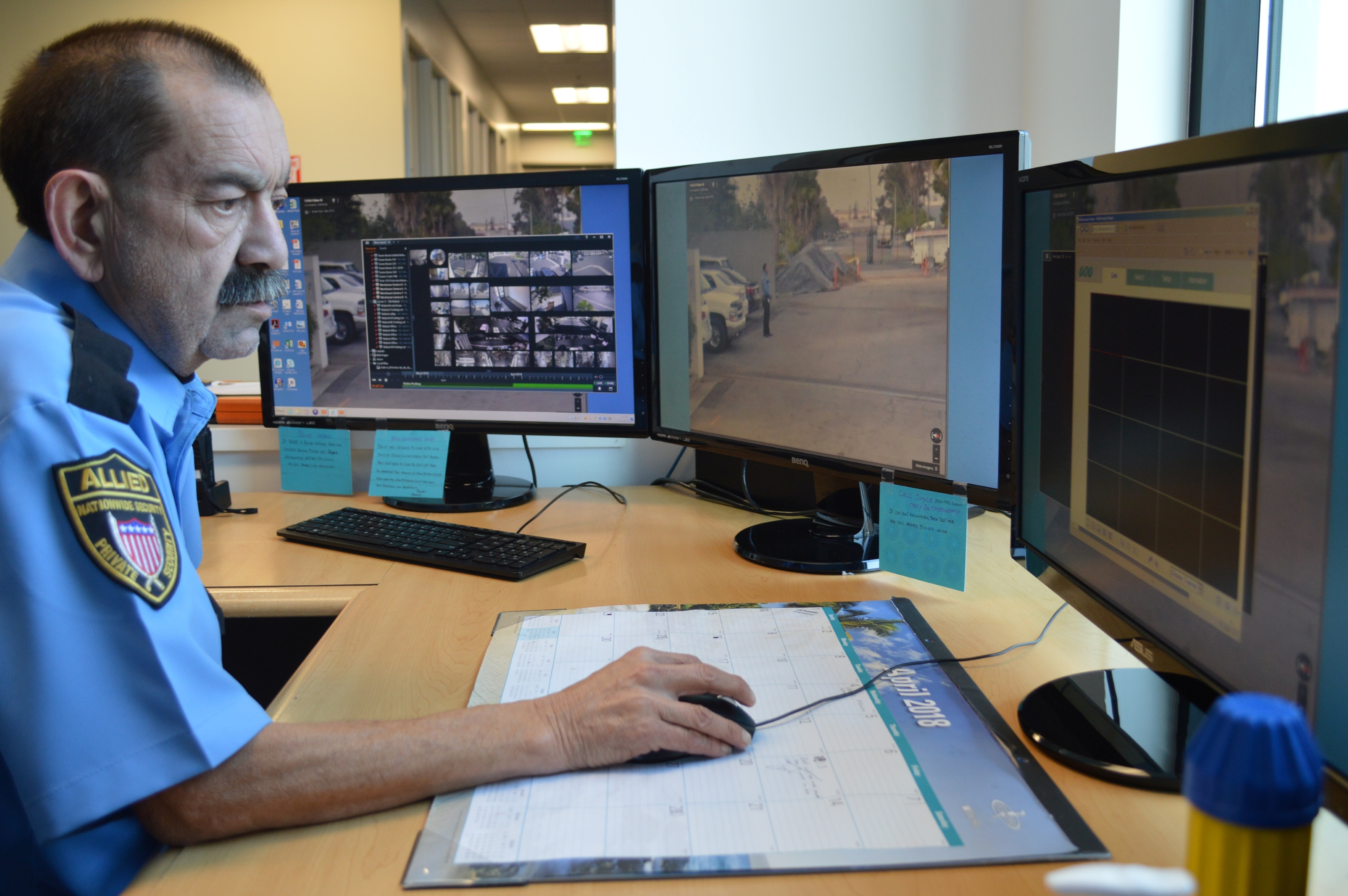
Office-Complexes Security Guards-

armed security guard
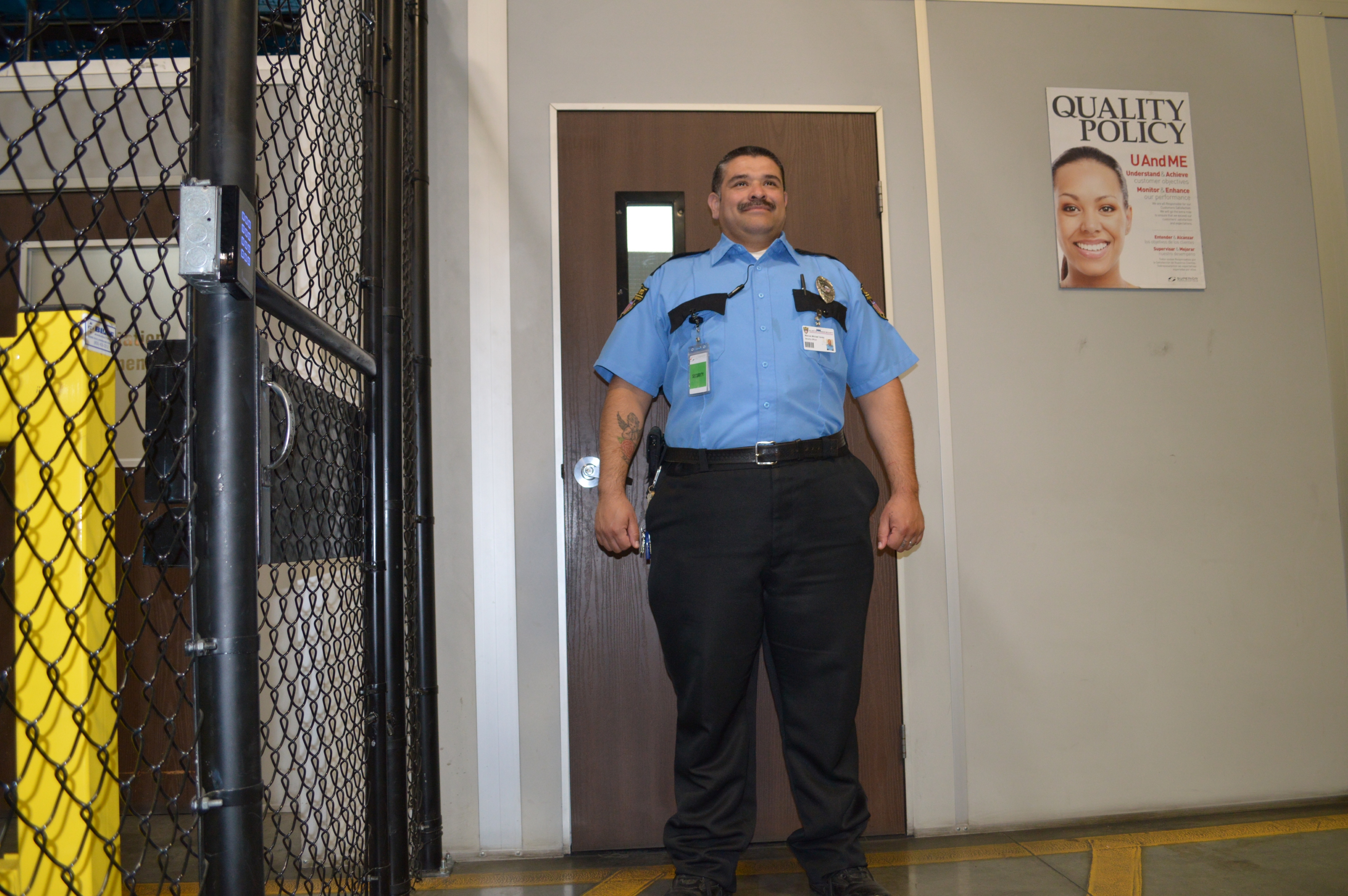
Unarmed Security Guard.
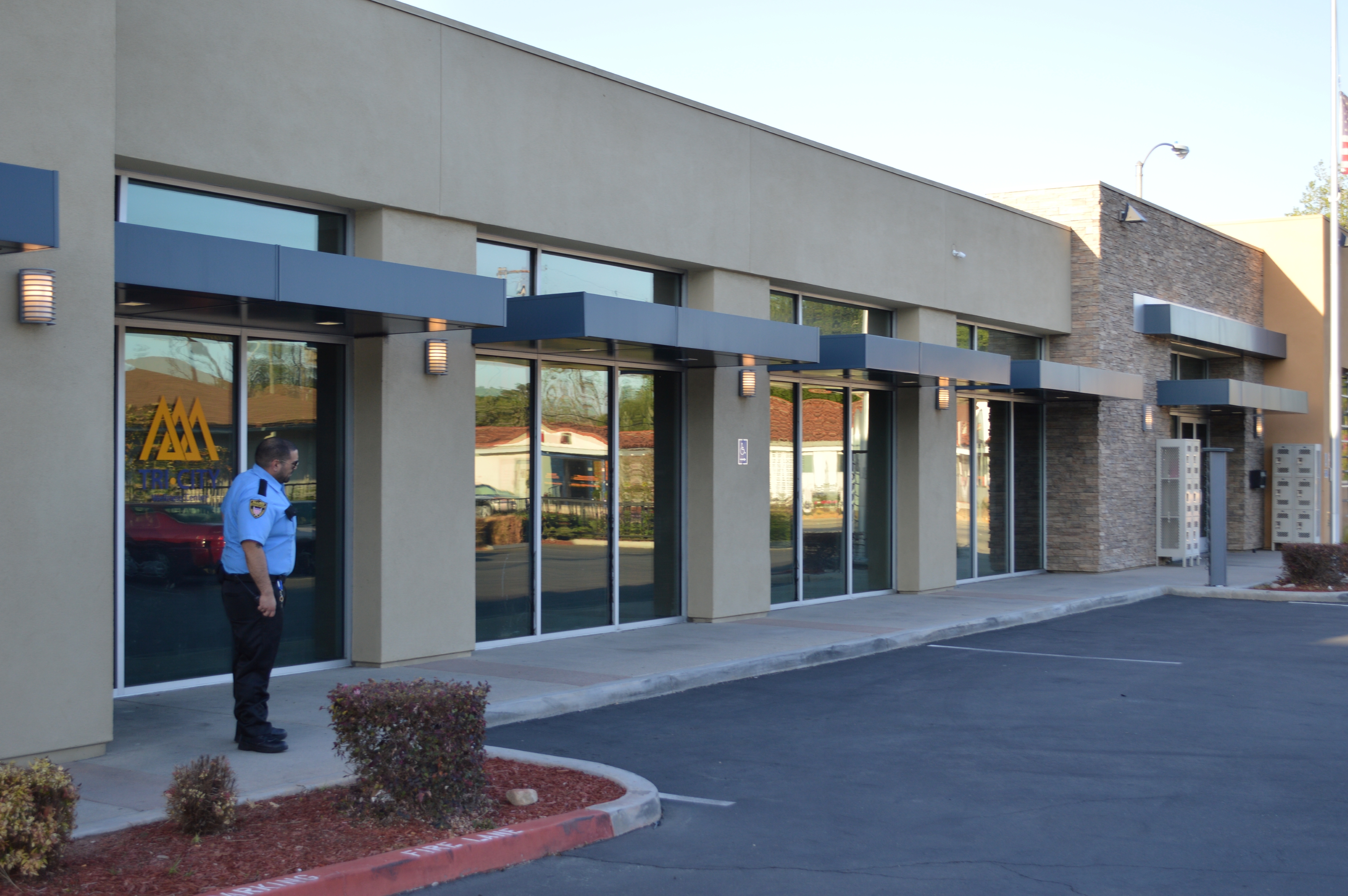
Shopping Center Security Guards-
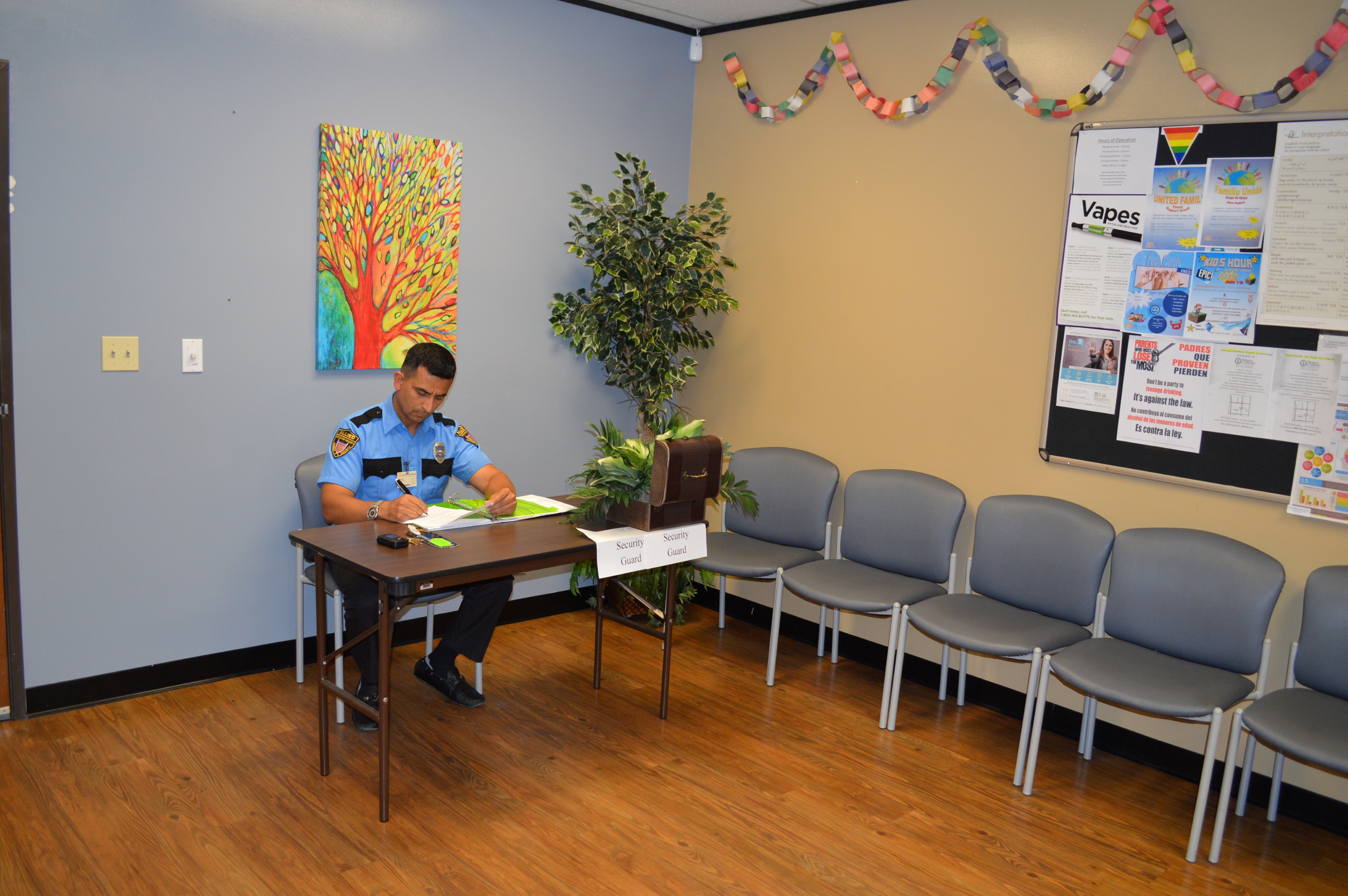
Security Guard Service.
From basic patrols to integrated risk management, security guard services are adapting to meet today’s complex safety demands.
VAN NUYS, CA, UNITED STATES, January 2, 2026 /EINPresswire.com/ -- The field of security guard services has undergone significant transformation in recent years, reflecting changes in client expectations, regulatory requirements, and technological advancements. As society becomes increasingly complex, businesses, residential communities, and public facilities are seeking more sophisticated security solutions to address evolving risks. Security services are no longer limited to simple patrolling or access control; they now encompass a wide range of responsibilities, including emergency response, incident reporting, and risk management.Understanding the differences between armed and unarmed guard services is essential for organizations and individuals who require protection tailored to their specific needs. Armed guards are trained professionals authorized to carry firearms while performing their duties. Their role is typically focused on high-risk environments or situations where there is a higher potential for criminal activity or security threats. Armed guards provide an added layer of deterrence and can respond rapidly to incidents that may pose a danger to people or property. They are required to undergo extensive training, including firearm proficiency, situational awareness, conflict de-escalation, and legal compliance, ensuring that they operate safely and effectively in a wide range of scenarios.
In contrast, unarmed guards offer a visible and professional security presence without the use of weapons. These guards are often deployed in locations where the primary goal is monitoring and controlling access rather than immediate armed intervention. Retail establishments, corporate offices, schools, and residential communities frequently rely on unarmed guards to provide surveillance, enforce policies, and respond to emergencies. While they do not carry firearms, unarmed guards are trained in emergency procedures, customer service, and conflict management, making them a versatile and approachable security option.
Recent trends in security services highlight the increasing integration of technology to support both armed and unarmed personnel. Surveillance cameras, access control systems, and real-time reporting tools enhance the ability of guards to monitor and respond to incidents efficiently. Additionally, security companies are emphasizing the customization of services to meet the unique needs of each client. This includes designing security plans that consider the specific layout of a facility, the type of threats that may be present, and the demographics of those being protected.
The regulatory environment has also evolved, establishing higher standards for licensing, training, and operational practices. Security officers must comply with state and local laws regarding use of force, professional conduct, and operational protocols. Regular background checks, fingerprint verification, and continuous professional development are now standard practices to maintain high levels of accountability and reliability.
Ultimately, the evolution of security services reflects a broader understanding that effective protection requires a combination of trained personnel, appropriate technology, and tailored strategies. Whether employing armed guards, unarmed guards, or a combination of both, modern security solutions aim to create safer environments for businesses, communities, and individuals while adapting to emerging threats and maintaining ethical standards.
The Role of Security Guards Today
Security guard services play a critical role in maintaining safety and security across a wide range of environments. At their core, these services are designed to protect people, property, and assets from potential threats or unauthorized activities. Security personnel are trained to observe, assess, and respond to various situations, ensuring that risks are identified and mitigated promptly. Their duties go far beyond traditional patrolling and standing watch. Modern security guards are often involved in monitoring surveillance systems, managing access control points, and enforcing safety protocols to maintain secure premises.
In addition to routine oversight, security officers frequently coordinate responses during emergencies, including medical incidents, fire alarms, or security breaches. This requires a high level of situational awareness, quick decision-making, and familiarity with emergency procedures. They also serve as a point of contact for visitors, staff, and clients, providing guidance and assistance while maintaining a professional presence.
The evolving expectations of security services have led to a more proactive approach, where guards actively identify vulnerabilities and implement preventative measures. Training now emphasizes not only physical security skills but also communication, conflict resolution, and risk assessment. By integrating technology, such as surveillance cameras, alarm systems, and real-time reporting tools, security guards enhance their ability to detect and respond to potential threats efficiently.
Overall, security guard services are an essential component of modern safety management, combining vigilance, training, and strategic planning to ensure that people, property, and assets remain protected in a wide variety of environments.
Armed Guard Services
Armed guard services involve security personnel who are licensed and trained to carry firearms while performing their professional duties. These officers are typically assigned to locations or situations considered high-risk, where there is a greater potential for criminal activity, threats to personal safety, or property damage. The presence of an armed guard provides a heightened level of security by acting as a deterrent to potential intruders or individuals considering unlawful actions. Beyond deterrence, armed guards are prepared to intervene rapidly if incidents arise, ensuring the safety of people and property while managing potentially volatile situations.
The role of an armed guard extends far beyond carrying a firearm. Officers are required to complete comprehensive training programs that include firearm proficiency, proper handling and storage, and legal guidelines for the use of force. Training also covers conflict resolution techniques, situational awareness, and emergency response procedures to equip guards for a variety of scenarios. Armed guards are regularly evaluated to maintain certifications and meet state-mandated requirements, which often include background checks, ongoing education, and skills assessments.
In addition to technical skills, armed guards are expected to uphold high ethical standards, exercise sound judgment, and communicate effectively with clients, law enforcement, and the public. Their responsibilities require balancing the need for security with adherence to legal and professional obligations. Continuous training and review ensure that armed guards remain prepared to respond to changing security threats, adapt to different environments, and maintain a level of readiness that aligns with modern security practices.
Unarmed Guard Services
Unarmed guard services offer a professional and visible security presence without the use of firearms, providing a preventative layer of protection for a wide range of environments. These guards are responsible for monitoring premises, controlling access points, observing for unusual or suspicious activity, and responding to emergencies when they arise. Their role is essential in locations where a highly visible but non-confrontational security approach is preferred, including office buildings, retail centers, schools, healthcare facilities, and residential communities.
Beyond basic surveillance, unarmed guards are trained to manage a variety of situations. This includes emergency response procedures, crowd control, and de-escalation techniques to resolve conflicts safely. They are often equipped with the knowledge to assist individuals during medical incidents, fire alarms, or other unexpected occurrences, ensuring that both people and property are protected.
Unarmed guards also play a crucial role in maintaining a professional and approachable environment. They frequently act as the first point of contact for visitors, staff, and residents, providing directions, answering questions, and reinforcing rules and protocols as necessary. This combination of protective oversight and customer-oriented interaction helps create a secure yet welcoming atmosphere.
While these guards do not carry weapons, their presence alone can deter unwanted activity and support a broader security strategy. By integrating observational skills, emergency preparedness, and effective communication, unarmed guard services remain an essential component of comprehensive safety plans, contributing to the overall security and peace of mind of the locations they serve.
Security Guard Service Trends
The landscape of security guard services is currently shaped by a variety of emerging trends that reflect changes in technology, client expectations, and community needs. One significant development is the increasing integration of advanced technology into security operations. Modern surveillance systems, access control software, and real-time reporting tools are becoming standard components in security protocols. These tools allow both armed and unarmed guards to monitor facilities more efficiently, detect potential threats earlier, and respond quickly to incidents. Technology also enables better documentation of security events, improving accountability and communication between security teams and clients.
Alongside technological advancements, security service providers are placing greater emphasis on creating tailored security strategies for each client. Rather than relying on generic solutions, companies are analyzing specific risks, facility layouts, and operational needs to develop comprehensive plans that align with the unique requirements of each environment. This approach enhances the overall effectiveness of security personnel and ensures that protective measures address the most relevant threats.
Another notable trend is the increased focus on personnel with specialized skills, including bilingual officers and those trained to handle particular situations. In diverse communities and workplaces, effective communication is essential for managing incidents, providing clear instructions, and assisting the public when necessary. Specialized training equips security officers to respond appropriately to a range of scenarios, from emergency situations to routine safety concerns. These developments collectively demonstrate the evolving role of security guard services, highlighting the importance of adaptability, professionalism, and proactive strategies in maintaining safety across various settings.
Training and Standards
High standards of training form the backbone of both armed and unarmed security guard services. Security personnel are generally required to undergo comprehensive background checks, fingerprint verification, and ongoing professional development to ensure they meet strict industry standards. This foundation of verification helps maintain accountability and reinforces trust between clients and security providers. Training programs typically cover a wide range of essential skills, including situational awareness, emergency response procedures, conflict resolution techniques, and strict adherence to ethical and legal guidelines. These competencies ensure that security officers are not only capable of identifying potential threats but also equipped to handle them in a manner that prioritizes safety and legality.
Beyond basic skills, security personnel are trained to adapt to changing circumstances in dynamic environments. This includes recognizing emerging risks, assessing potential vulnerabilities, and implementing appropriate security measures in real time. Guards are also instructed to coordinate effectively with local law enforcement, emergency responders, and other relevant authorities when incidents occur. Such collaboration is critical in ensuring a swift and organized response to unexpected events, minimizing harm to individuals and property.
Adaptability is a defining aspect of modern security services. Officers must remain vigilant, make quick decisions under pressure, and adjust strategies based on evolving situations. Whether managing a routine patrol, responding to an alarm, or handling a high-risk scenario, trained security personnel are equipped to maintain a safe and secure environment for clients. The combination of thorough training, continuous education, and situational flexibility underscores the essential role of professional security guards in today’s complex security landscape.
Customized Security Solutions
Security guard services are increasingly structured to meet the distinct requirements of each client, recognizing that no two environments carry the same security needs. Companies providing these services typically begin by conducting a detailed assessment of the premises, reviewing access points, evaluating vulnerabilities, and identifying potential safety and security risks. This assessment often includes considerations such as the type of property, level of public access, history of incidents, and surrounding neighborhood dynamics.
Following the assessment, security providers develop customized strategies designed to address the specific challenges identified. These strategies may involve a combination of armed and unarmed personnel, depending on the risk level and legal requirements of the location. In addition to stationary posts, security plans frequently incorporate mobile patrols that can cover larger areas efficiently, as well as standing guard positions and fire watch assignments where continuous observation is critical. The use of technology, such as surveillance cameras, access control systems, and real-time reporting tools, is often integrated to enhance situational awareness and support the personnel on site.
An essential aspect of tailored security services is ongoing evaluation and adjustment. Security needs can change over time due to operational shifts, seasonal activity, or emerging threats. Regular monitoring, site inspections, and performance reviews help ensure that security measures remain effective and responsive to these changes. This approach allows security providers to maintain a proactive stance, reducing potential risks while adapting strategies to provide the appropriate level of oversight for each client’s unique environment.
Regulatory Compliance
All security guard services operate under comprehensive regulatory frameworks designed to maintain public safety and ensure professional accountability. Licensed security officers are required to comply with a variety of state and local laws that govern their training, duties, and operational procedures. This includes completing mandated training programs that cover emergency response, conflict resolution, legal use-of-force guidelines, and situational awareness. Officers must also stay up to date with continuing education requirements, ensuring that their skills and knowledge evolve alongside industry standards.
In addition to individual compliance, security companies are responsible for adhering to regulatory obligations as organizations. Maintaining appropriate licensing is a key component, confirming that a company meets all legal criteria to provide security services within a given jurisdiction. Insurance and bonding are also standard requirements, providing protection for both the client and the security personnel in the event of accidents, damages, or legal claims. These measures create a formal structure that holds security providers accountable while mitigating potential risks associated with security operations.
Furthermore, regulatory frameworks often include protocols for supervision, reporting, and incident documentation. Security companies are expected to implement these protocols rigorously to ensure transparency and reliability in their services. By following these laws and guidelines, security officers and companies demonstrate their commitment to ethical practices, operational integrity, and the protection of client property and personnel. Compliance with these frameworks is central to maintaining trust and professionalism in the security industry.
About Allied Nationwide Security
Allied Nationwide Security is a private security guard company located in Los Angeles, California, with operations extending across Southern California, including Los Angeles County, Orange County, Riverside County, Ventura County, and San Bernardino County. Established in 2003, the company has developed a comprehensive framework for providing security services in a variety of settings, including commercial, industrial, and residential environments. Its approach emphasizes the importance of professional preparedness, risk assessment, and adherence to regulatory standards.
The company provides both armed guard and unarmed guard services, each designed to meet specific security needs. Armed guards are trained and licensed to carry firearms and are often deployed in situations where higher levels of protection are necessary. Unarmed guards, on the other hand, focus on monitoring premises, controlling access, and providing a visible security presence without the use of weapons. Both types of personnel are trained to observe and respond to incidents, maintain situational awareness, and provide support during emergencies.
In addition to on-site security duties, Allied Nationwide Security offers services such as standing posts, fire watch assignments, and mobile patrols. Standing posts involve fixed positions at key locations to maintain oversight, while mobile patrols allow guards to monitor multiple areas within a property or facility. Fire watch services ensure that sites remain compliant with safety regulations and are prepared to respond to fire hazards or emergencies.
The company places significant emphasis on the selection and training of its personnel. Security officers undergo thorough background checks, including fingerprinting and criminal record verification, and receive ongoing professional development. Training covers situational awareness, emergency response procedures, and ethical conduct. This ensures that security personnel are prepared to handle a range of scenarios while maintaining professional standards and following legal and regulatory requirements.
A J Nomair
Allied Nationwide Security
+1 800-955-8417
contact@alliednationwide.com
Visit us on social media:
Facebook
YouTube
Best Security Guard Company In Southern California | Allied Nationwide
Legal Disclaimer:
EIN Presswire provides this news content "as is" without warranty of any kind. We do not accept any responsibility or liability for the accuracy, content, images, videos, licenses, completeness, legality, or reliability of the information contained in this article. If you have any complaints or copyright issues related to this article, kindly contact the author above.
