

Five Common Roofing Myths That Lead to Costly Mistakes, According to Industry Professionals
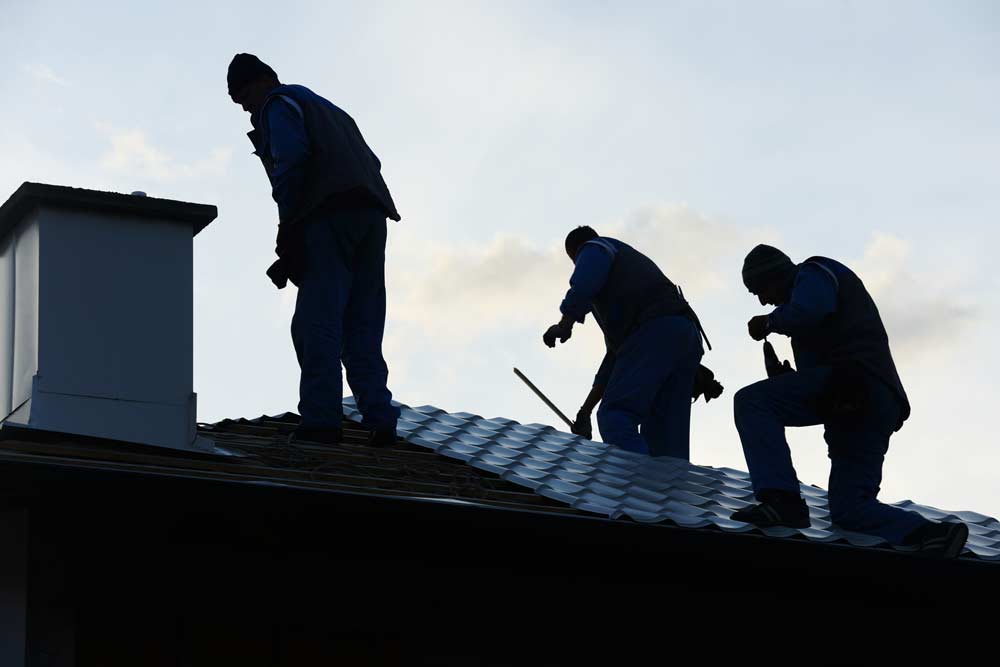

Misunderstanding how roofs age and respond to environmental stress often leads to delayed action and higher long-term expense”
PEARL RIVER, LA, UNITED STATES, January 9, 2026 /EINPresswire.com/ -- Roofing decisions are often influenced by assumptions that persist despite changes in materials, building codes, and regional weather patterns. In the Gulf South, where roofs are exposed to heavy rain, wind events, heat, and humidity, misconceptions can lead to unnecessary repairs, shortened roof life, and avoidable expense. Industry professionals continue to identify recurring myths that affect how property owners evaluate roof condition, maintenance, and replacement timing.— Timothy Bain
One common myth is that visible leaks are the first indicator of roof failure. In reality, many roofing issues develop long before water enters an interior space. Moisture intrusion can occur within underlayment layers, flashing systems, or decking while remaining hidden. By the time interior damage appears, structural components may already be compromised. This misconception often delays inspections and increases repair scope.
Another widespread belief involves roof age as the sole determinant of replacement need. While age provides a general reference point, it does not account for installation quality, material selection, ventilation design, or local exposure conditions. Roofs of the same age can perform very differently depending on these variables. Relying exclusively on age without evaluation can result in premature replacement or overlooked deterioration.
Material assumptions also contribute to misunderstanding. A common belief holds that thicker or heavier materials automatically offer better protection. Performance depends on system design rather than individual component thickness. Proper installation, compatibility between layers, and adherence to manufacturer specifications influence durability more than material weight alone. Focusing only on material heft can divert attention from critical system details.
Ventilation is another area affected by misconception. Some assume ventilation primarily affects indoor comfort rather than roof performance. In practice, inadequate ventilation can trap heat and moisture, accelerating shingle degradation, warping decking, and increasing energy load. Proper airflow supports temperature regulation and moisture control, directly affecting roof lifespan.
Storm-related assumptions also persist. A frequent myth suggests that if a roof appears intact after a storm, no damage occurred. Wind uplift, impact stress, and compromised fasteners may not be immediately visible. Post-storm assessments often identify issues that develop into leaks months later. Skipping evaluation after severe weather can allow minor damage to progress unchecked.
According to Timothy Bain, Chief Financial Officer of Gulf Coast Roofing in Pearl River, these misconceptions tend to compound costs over time rather than reduce them.
“Roofing problems rarely announce themselves immediately,” said Bain. “Misunderstanding how roofs age and respond to environmental stress often leads to delayed action and higher long-term expense.”
Another common myth involves insurance coverage assumptions. Some property owners believe all roof damage is automatically covered, regardless of cause or condition. Coverage determinations typically depend on policy language, maintenance history, and cause of loss. Lack of documentation or deferred maintenance can complicate claims. Understanding coverage parameters before damage occurs reduces uncertainty during claims review.
Do-it-yourself repairs also contribute to costly outcomes. Temporary fixes performed without understanding system integration can disrupt drainage paths, void warranties, or mask underlying issues. While minor maintenance may be appropriate in limited cases, improper repairs often lead to more extensive corrective work later.
Roof cleaning misconceptions deserve attention as well. High-pressure washing is sometimes viewed as a routine maintenance step. In reality, aggressive cleaning methods can dislodge granules, damage protective coatings, and shorten shingle life. Maintenance approaches must align with material specifications to avoid unintended harm.
Geographic context further complicates these myths. In coastal and near-coastal regions, humidity, salt exposure, and frequent weather changes accelerate wear differently than in drier climates. Assumptions based on other regions may not translate effectively to Gulf Coast conditions. Local experience influences how roofs perform under regional stressors.
Inspection frequency is another misunderstood factor. Some believe inspections are only necessary when problems are visible. Periodic evaluations identify developing issues early, often reducing repair complexity. Inspection timing following storms or seasonal transitions provides insight into how systems respond to environmental change.
The cumulative effect of these myths often results in deferred maintenance, misallocated spending, and shortened roof service life. Addressing misconceptions with accurate information supports better planning and cost control. Roofing systems function as integrated assemblies, and decisions affecting one component influence overall performance.
As building materials evolve and weather patterns continue to challenge structures, accurate understanding becomes increasingly important. Recognizing common myths allows property owners to evaluate roofing decisions more effectively and avoid assumptions that lead to unnecessary expense.
Gulf Coast Roofing operates in southeast Louisiana, providing roofing assessment, repair, and replacement services informed by regional conditions and industry standards. The company’s experience reflects recurring patterns associated with roofing misconceptions and their financial impact over time.
Morgan Thomas
Rhino Digital, LLC
+1 504-875-5036
email us here
Visit us on social media:
Facebook
Legal Disclaimer:
EIN Presswire provides this news content "as is" without warranty of any kind. We do not accept any responsibility or liability for the accuracy, content, images, videos, licenses, completeness, legality, or reliability of the information contained in this article. If you have any complaints or copyright issues related to this article, kindly contact the author above.
