

In Fox6 Interview, Samad’s House Founder Addresses Systemic Roots of Drug Overdose Crisis & Urges Compassionate Support

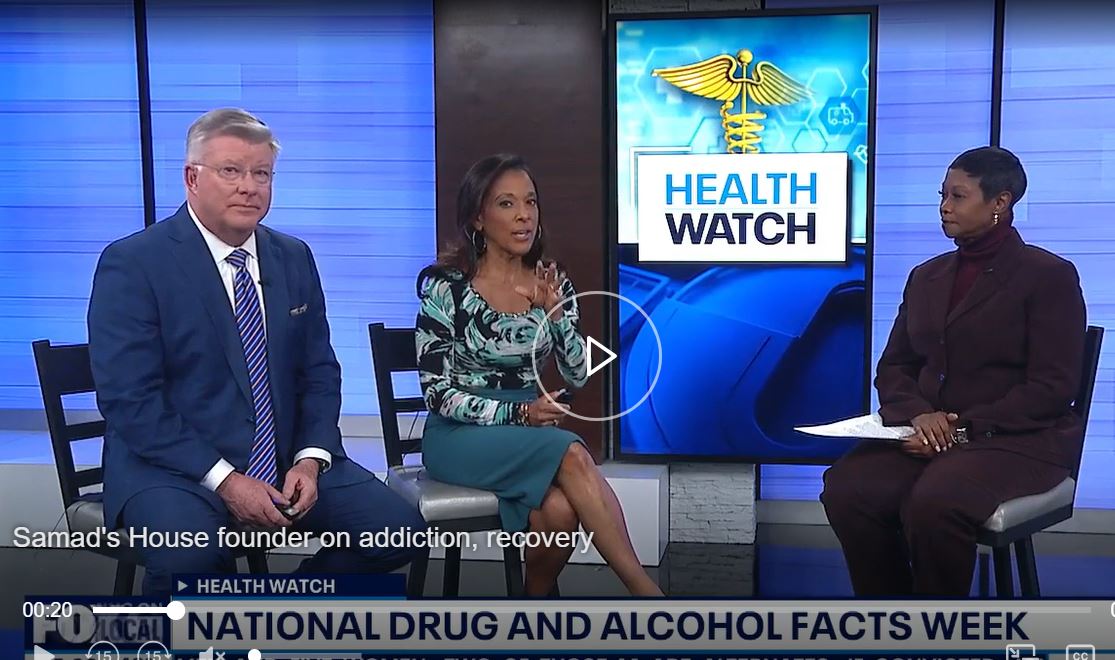
Malik in interview at Fox6 studio.
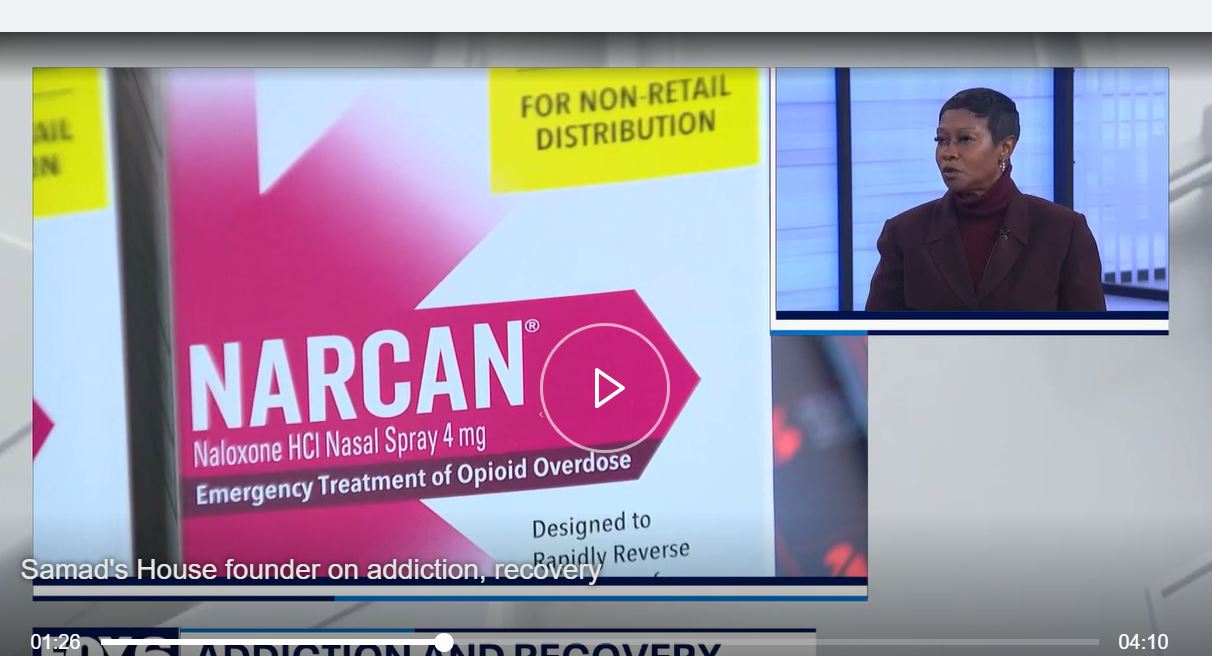
Malik cites life saving value of naloxone,
Tahira Malik emphasized the absolute necessity of harm reduction approaches, specifically highlighting the life-saving capabilities of naloxone
MILWAUKEE, WI, UNITED STATES, April 6, 2026 /EINPresswire.com/ -- Tahira Malik, founder of the Milwaukee-based treatment/recovery organization Samad’s House, is calling for an urgent shift in how the community approaches substance disorders, harm reduction, and recovery. In an interview with Fox6 News, Malik cited the intricate web of cultural pressures, structural inequalities, and the vital need for non-judgmental interactions as consequential in reducing drug overdose deaths plaguing Milwaukee communities.
“Some of the biggest myths when we're talking about substance use are that it's a moral failing or it's a lack of willpower for individuals,” Malik said. “It's neither one of those. It's a complex health issue, and many believe that certain types of people are the only ones who fall into addiction. And again, that's a myth in itself. One of the biggest myths, too, is that people are unwilling and unable to recover, but people are able to recover, especially if they're sincere and ready for that change in their lives.”
Over the past five years, Samad’s House has helped women and families, offering comprehensive services for those choosing the difficult path of overcoming substance disorders. Since opening its doors in 2020 as a single sober living facility, the organization has aggressively expanded its footprint to meet an ever-growing community need. Today, Samad’s House operates three distinct residential homes, along with a dedicated behavioral health clinic. Through these vital resources, the organization has successfully helped over 75 women and nearly a dozen families reclaim their lives, delivering a profound and measurable impact across Milwaukee.
During her recent television appearance, Malik emphasized the absolute necessity of harm reduction tools, specifically highlighting the life-saving capabilities of naloxone. When an individual suffers an overdose, their respiratory system slows down drastically. Without immediate intervention, they will stop breathing. Administering naloxone reverses this life-threatening process, pulling individuals back from the brink of fatal drug overdoses.
Malik noted that these terrifying near-death experiences frequently serve as a pivotal turning point for those struggling with substance use disorder. Once someone survives a non-fatal overdose, they often realize exactly how close they came to losing everything. This realization can leave them ready and eager for lasting change, making it critical for treatment and recovery resources to be available.
However, treating the immediate medical emergency of an overdose only addresses a symptom of much larger societal failures. Malik forcefully addressed the hidden social and cultural pressures that fuel substance disorders, pointing directly to deep-rooted systemic issues. Poverty, a severe lack of basic resources, job insecurity, and a widespread shortage of affordable housing, create a fertile ground for drug use to flourish. “Those are some of the main things that we see culturally that affect the pressures (on individuals) and fuel substance use,” said Malik, who is in recovery from substance use disorder.
Furthermore, Malik highlighted the undeniable role of structural racism in perpetuating the crisis. The historical War on Drugs has disproportionately targeted and devastated Black and Brown communities, compounded by decades of over-policing. Recovery from these historic systemic barriers requires tangible resources, community investment, and policies designed to uplift rather than penalize marginalized populations.
Recognizing when someone needs help is the first step in providing those resources. Malik pointed out that it is increasingly rare to find someone whose life has not been touched by the drug crisis. She advised community members to look out for specific red flags among their loved ones. Isolation is a primary indicator; if an individual begins withdrawing from family and friends or significantly alters their normal daily patterns, it often signals an underlying struggle. Unexplained financial difficulties, such as a sudden lack of money or frequent requests for financial assistance, also serve as strong warning signs.
When these signs appear, the method of intervention is just as important as the intervention itself. Malik stressed the absolute importance of approaching individuals with deep empathy and non-judgmental support. People struggling with substance disorders already feel an immense burden of shame and judgment, which can drive them further into isolation. They naturally want to hide their struggles to protect themselves from societal stigma.
An aggressive or overly assertive approach—demanding that they admit they have a problem or aggressively confronting them about their substance use—often backfires. Maliks said that this type of confrontation can make individuals shy away, deny their drug use, and invent excuses for their behavior. “Sometimes that assertive approach may make someone shy away and say, ‘Oh, no, no, no, no, I'm not on drugs. I can't pay this bill because I don't know what happened to my money.’ “
Instead, Malik advocates for a supportive environment where individuals feel safe. Loved ones must create a space free of stigmatization, ensuring that those in distress know they have a reliable, non-judgmental support system ready to help them navigate the difficult journey towards recovery.
While organizations like Samad’s House and various harm reduction initiatives have made significant strides across Milwaukee, the broader landscape remains incredibly complex. There is a deeply concerning dichotomy at play in the region's public health data. Thanks to innovative community efforts and substantial local investments—including a recent injection of $34 million from opioid settlement funds—Milwaukee County celebrated a highly encouraging 30% drop in overall overdose deaths in 2024.
Yet, this progress is tragically uneven, and the need for sustained, equitable funding remains an urgent priority. Federal budget cuts and newly imposed restrictions on harm reduction programs threaten to undermine the very initiatives that keep people alive. These funding challenges arrive at a time when the community can least afford to step back.
Most alarmingly, the racial disparity in overdose deaths continues to persist at crisis levels. Public health data from 2024 reveals a devastating reality: Black residents in Milwaukee County experienced a fatal overdose rate of 76 per 100,000 people. This is nearly double the rate experienced by White residents. Despite making up only 27% of the county's total population, Black residents accounted for an incredibly disproportionate 42% of all overdose deaths.
These stark statistics validate Malik’s assertions regarding the systemic inequalities driving the crisis. They underscore an urgent, moral imperative for the community, local government, and federal agencies to direct resources precisely where they are needed most.
Samad’s House remains fully committed to bridging this gap, providing culturally competent, deeply empathetic care to those navigating the treacherous waters of addiction. However, Malik makes it clear that organizations cannot do this work in a vacuum. Sustained financial support, the protection of vital harm reduction programs, and a community-wide commitment to dismantling systemic racism are required to turn the tide of this epidemic permanently.
###
Listen to Malik’s powerful podcast, Voices of the Front Lines: HERE
Read our March Newsletter
Donate to Samad’s House at www.samadshouse.org/donate
Visit Samad’s House website at www.samadshouse.org
About Samad’s House
Samad’s House is a Milwaukee-based organization dedicated to supporting women and families in recovery from addiction. Through holistic services, harm reduction tools, and a focus on mind, body, and spirit, Samad’s House empowers individuals to rebuild their lives and achieve lasting sobriety.
Michael K. Frisby
Frisby & Associates
+1 202-625-4328
mike@frisbyassociates.com
Legal Disclaimer:
EIN Presswire provides this news content "as is" without warranty of any kind. We do not accept any responsibility or liability for the accuracy, content, images, videos, licenses, completeness, legality, or reliability of the information contained in this article. If you have any complaints or copyright issues related to this article, kindly contact the author above.
