

SMOA Endorses Brooke Pinto For Congress
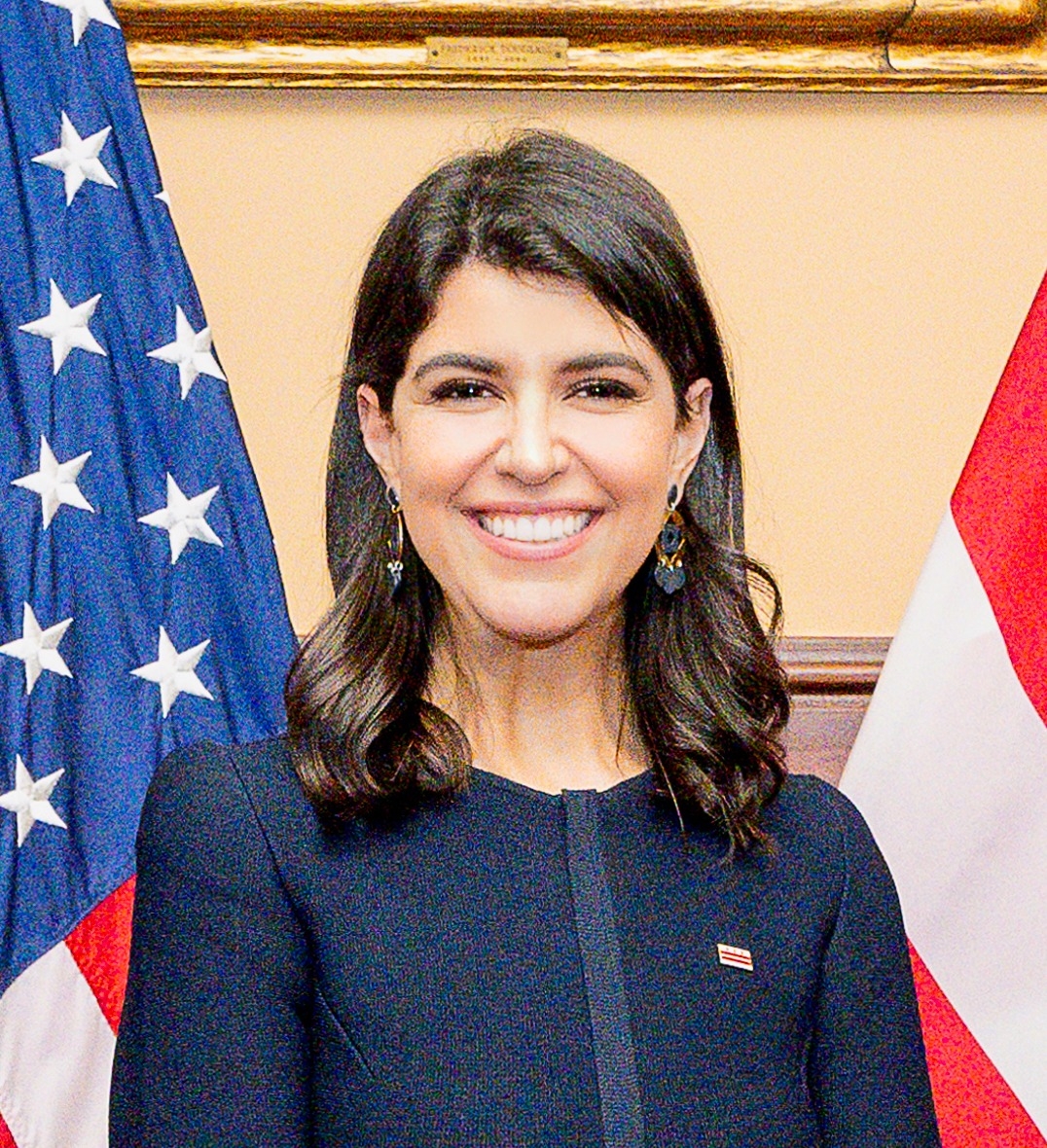
Councilmember Brooke Pinto
Endorsement underscores need for accountability and a policy reset as affordability pressures rise and housing supply tightens
Housing policy doesn’t fail because people don’t care—it fails when leaders stop listening. We need solutions grounded in reality.”
WASHINGTON , DC, UNITED STATES, April 17, 2026 /EINPresswire.com/ -- The Small Multifamily & Rental Owners Association (SMOA), representing more than 14,000 housing providers across the District of Columbia and a broader network of residents engaged on housing issues, today announced its endorsement of Councilmember Brooke Pinto for Congress, citing her leadership and approach to housing policy.— Dean Hunter, CEO, SMOA
At a time when housing policy is defining the future of Washington—and increasingly influencing national conversations—SMOA is backing leadership grounded in balance, engagement, and a clear understanding of how housing systems function in practice.
“Brooke Pinto has demonstrated something that is all too rare in today’s housing debates: the ability to listen without pre-judging, to engage without vilifying, and to lead without pandering,” said Dean Hunter, Founder and CEO of SMOA. “She understands that solving our housing challenges requires working with housing providers—not against them.”
Throughout her time on the Council, Pinto has built a reputation for accessibility, responsiveness, and substantive engagement with stakeholders across the housing ecosystem. She has met directly with providers, heard firsthand the operational and regulatory pressures they face, and approached those conversations with a focus on practical solutions—not political talking points.
SMOA noted that this approach stands out at a time when policies from the D.C. Council have placed the District’s housing market under increasing strain—and small housing providers are bearing the brunt of it. Capital is already adjusting in anticipation of these policy decisions.
Across the city, the impact is no longer theoretical. Housing providers—particularly those offering naturally occurring affordable housing (NOAH)—are under increasing financial pressure, facing rising costs, operational challenges, and growing uncertainty across the market.
A growing number of providers are making a difficult but rational decision: they are exiting. Properties are being sold, units are being taken offline, and investment is slowing.
At the same time, lenders and investors are becoming more cautious, making financing more difficult to obtain—especially for smaller operators.
The result is simple: fewer providers, fewer units, and higher rents.
This is the policy dynamic now taking hold: as pressures increase and uncertainty grows, providers pull back, supply contracts, and affordability becomes harder to sustain.
Efforts to restore balance through modest reforms were diluted by the D.C. Council’s Housing Committee, leaving underlying challenges unresolved. At the same time, policymakers continue to advance experimental approaches without economic grounding or regard for current market conditions—effectively doubling down on the unintended consequences of earlier decisions.
The result is a growing disconnect between policy design and the realities of operating housing in the District—at a time when stability and affordability should be the priority.
“This moment isn’t about relitigating the past—it’s about choosing what kind of housing future Washington is going to have,” Hunter said. “Housing policy doesn’t fail because people don’t care—it fails when leaders stop listening. If we want safe, well-maintained, and affordable housing, we need policies grounded in reality—and leaders willing to engage honestly with the people providing that housing every day.”
SMOA emphasized that any durable housing strategy must recognize housing providers as essential partners in maintaining and expanding the District’s housing supply. Policies that ignore operational realities ultimately undermine the very affordability goals they are intended to achieve.
“Leadership in housing requires balance, discipline, and a willingness to engage honestly,” Hunter added. “That’s the standard we believe the city—and the country—needs right now.”
SMOA is calling on its network of more than 14,000 housing providers—and the thousands of residents engaged on housing issues across the District—to take an active role in shaping the future of housing policy.
This is a moment for engagement.
Housing providers understand what is at stake: the ability to maintain properties, provide quality housing, and preserve the city’s remaining naturally occurring affordable housing. Those outcomes will not be secured without participation.
SMOA encourages its members and supporters to step forward—by getting involved, making their voices heard, and supporting leadership committed to balance, accountability, and real-world solutions.
For more information, visit:
Dean Hunter
Small Multifamily & Rental Owners Association
+1 202-660-1333
email us here
Visit us on social media:
Other
Legal Disclaimer:
EIN Presswire provides this news content "as is" without warranty of any kind. We do not accept any responsibility or liability for the accuracy, content, images, videos, licenses, completeness, legality, or reliability of the information contained in this article. If you have any complaints or copyright issues related to this article, kindly contact the author above.
