

Transmission Filter: A Buyer’s Guide to Choosing the Right One for Your Vehicle
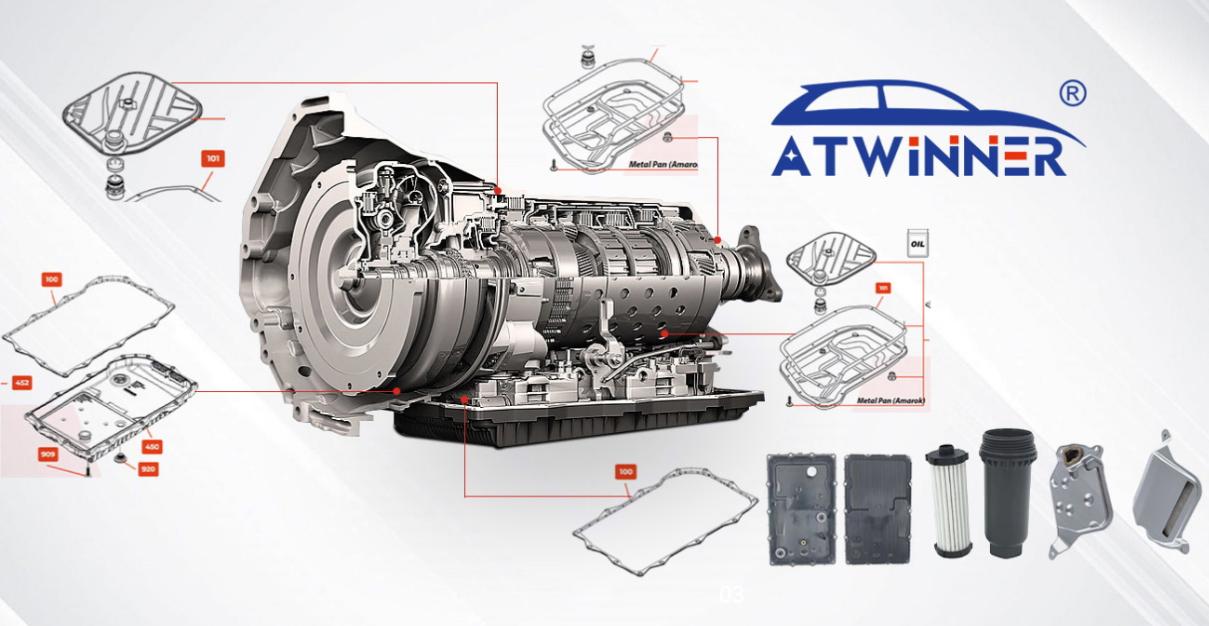
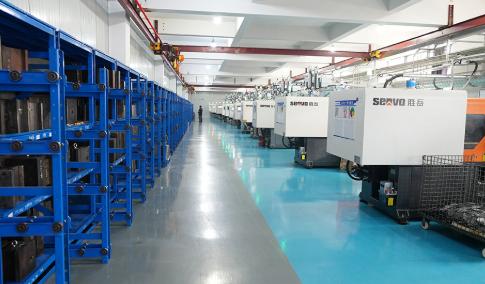
This guide outlines the basic functions of transmission filters, typical application scenarios, classification types, and selection considerations for different vehicles and operating conditions.
What Is a Transmission Filter and Why It Matters
A transmission filter is designed to remove contaminants such as dirt, metal particles, and friction material from transmission fluid. During normal vehicle operation, internal components gradually produce wear particles. Without filtration, these contaminants circulate within the transmission system.
Unfiltered fluid may lead to valve blockage, increased friction, gear wear, and reduced hydraulic efficiency. Clean transmission fluid is necessary for lubrication, cooling, and smooth hydraulic operation. The filter supports system stability by ensuring that fluid circulating through the transmission remains within acceptable cleanliness levels.
Key Use Scenarios
Transmission filters are applied across different vehicle categories and operating environments, each requiring specific performance characteristics.
1. Daily Commuter Vehicles
Passenger vehicles used in standard urban or highway driving typically operate under moderate load conditions. In such cases, conventional transmission filters are generally sufficient to maintain fluid cleanliness and stable shifting performance.
2. Heavy-Duty and Commercial Vehicles
Vehicles such as trucks, vans, and fleet transport units operate under higher load and temperature conditions. These environments generate increased debris and heat within the transmission system. Filters used in these applications are generally designed with higher capacity for contaminant retention and stronger structural materials.
3. Performance and Modified Vehicles
High-performance vehicles or modified transmission systems often operate at elevated speeds and pressures. These conditions require filtration systems capable of maintaining consistent fluid flow while capturing finer particles. Inadequate filtration may contribute to accelerated component wear.
4. Preventive Maintenance Applications
Transmission filters are commonly replaced during scheduled maintenance intervals. Replacement cycles vary depending on vehicle design and operating conditions, typically ranging between 30,000 and 60,000 miles. Preventive replacement helps maintain system cleanliness and reduces the risk of transmission-related issues.
Types of Transmission Filters
Different transmission filter structures are used depending on vehicle design and filtration requirements.
Mechanical (Screen) Filters
These filters use a metal mesh structure to block larger particles. They are commonly found in older transmission systems and allow relatively unrestricted fluid flow while capturing coarse debris.
Felt or Fiber Filters
Fiber-based filtration materials provide improved particle retention capability. These are widely used in modern transmission systems where finer filtration is required for system protection.
External Transmission Filters
Some configurations include externally mounted inline filters. These units function similarly to fluid filters used in other automotive systems and can be replaced without opening the transmission housing.
How to Select a Suitable Transmission Filter
Selecting an appropriate transmission filter depends on several technical and operational factors.
Vehicle Compatibility
Correct selection requires matching the filter to the specific vehicle model and transmission design. Incompatible components may affect installation accuracy and system performance.
Operating Conditions
Driving environments influence filter requirements. Conditions such as frequent towing, heavy traffic, or off-road use generally increase system load and contamination levels.
Material Structure and Filtration Efficiency
Filter performance is influenced by material composition and structural design. Higher-grade filter media generally provide improved contaminant retention and durability.
OEM and Aftermarket Options
Original equipment specifications are designed to match factory requirements, while aftermarket alternatives may provide broader availability. Selection should be based on verified compatibility and performance data.
Installation and Maintenance Considerations
Ease of installation varies depending on filter design. Some configurations require additional components such as gaskets or mounting kits to ensure proper sealing and operation.
Indicators of Filter Replacement Requirement
A degraded or restricted transmission filter may contribute to operational irregularities. Common indicators include:
Delayed or irregular gear shifting
Unusual mechanical noise from the transmission system
Discolored or contaminated transmission fluid
Reduced acceleration response
Elevated transmission temperature
These symptoms may indicate restricted fluid flow or reduced filtration efficiency.
Cost Considerations and Long-Term Value
Although transmission filters are relatively small components, their condition directly influences transmission system durability. Reduced filtration efficiency may contribute to increased internal wear and higher maintenance requirements over time.
Selecting components with consistent filtration performance supports system stability and may help reduce the likelihood of major transmission repairs. The overall value of the component is therefore closely related to its ability to maintain clean fluid circulation and protect internal transmission parts.
Conclusion
Transmission filters play an important role in maintaining the operational stability of automotive transmission systems. By removing contaminants from transmission fluid, they support lubrication efficiency, reduce mechanical wear, and contribute to overall system reliability.
Understanding filter types, application conditions, and compatibility requirements allows for more informed selection based on vehicle usage. Regular maintenance and timely replacement remain key factors in sustaining transmission performance over time.
For more information, please visit: https://www.liyunfilter.com/
Wenzhou Liyun Auto Parts Co., LTD
Wenzhou Liyun Auto Parts Co., LTD
+86 159 5778 0289
info@liyunfilter.com
Legal Disclaimer:
EIN Presswire provides this news content "as is" without warranty of any kind. We do not accept any responsibility or liability for the accuracy, content, images, videos, licenses, completeness, legality, or reliability of the information contained in this article. If you have any complaints or copyright issues related to this article, kindly contact the author above.
