

MOPE Clinic Shares Educational Update on Sleep Apnea, Testosterone and Persistent Fatigue
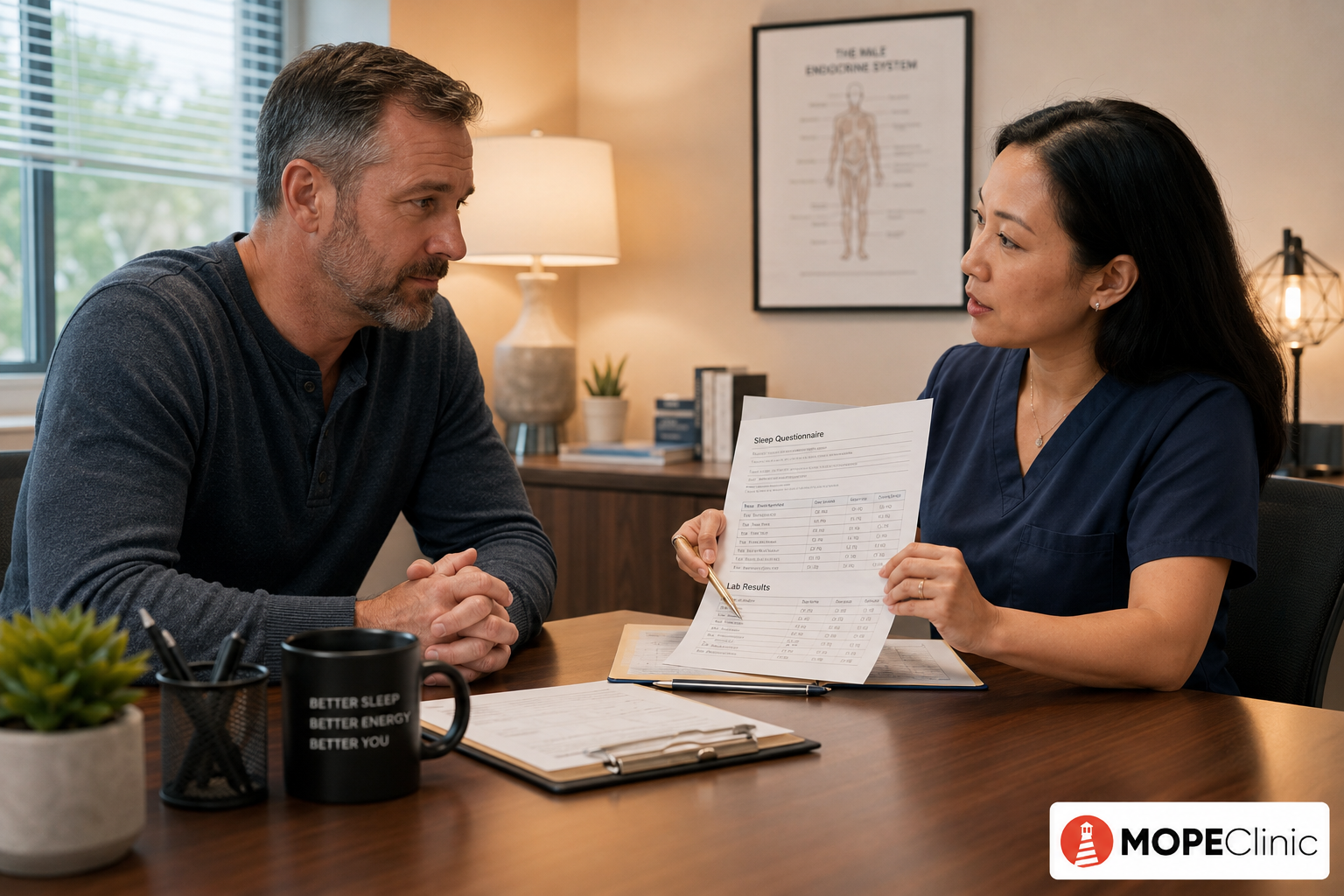
A MOPE Clinic provider reviews sleep concerns, laboratory results and hormone-related symptoms with a patient in Metairie, Louisiana.
Metairie medical clinic outlines why disrupted sleep, hormone symptoms and metabolic concerns may require separate but coordinated evaluations.
METAIRIE, LA, UNITED STATES, August 3, 2026 /EINPresswire.com/ -- MOPE Clinic has issued an educational health update addressing the overlap between obstructive sleep apnea, persistent fatigue, changes in body composition and symptoms commonly associated with testosterone deficiency.
The update is intended to help Louisiana adults better understand why fatigue, reduced concentration, low motivation, weight changes, low libido and poor exercise recovery should not automatically be attributed to one condition.
Obstructive sleep apnea and testosterone deficiency can produce some similar symptoms. However, they are different medical concerns and require different diagnostic processes.
Obstructive sleep apnea occurs when tissues in the throat repeatedly narrow or block the airway during sleep. Breathing may stop and restart many times during the night. These interruptions can lower oxygen levels and briefly wake the brain, even when the person does not remember waking.
According to Mayo Clinic, common warning signs include loud snoring, witnessed breathing pauses, gasping or choking during sleep, morning headaches, dry mouth, difficulty concentrating and excessive daytime sleepiness. Not everyone who snores has sleep apnea, but loud snoring combined with breathing pauses or daytime drowsiness warrants medical attention.
“Persistent fatigue, loud snoring and unexplained body changes may share symptoms, but they do not always share the same cause,” said Chris Rue, APRN, FNP-C, of MOPE Clinic. “Evaluation and testing help clarify the difference.”
Why restorative sleep matters
Time spent in bed does not always equal restorative sleep.
When breathing repeatedly stops or becomes restricted, the body may struggle to remain in deeper stages of sleep. As a result, a person may wake after seven or eight hours and still experience exhaustion, irritability or difficulty concentrating.
Daytime sleepiness can also create safety concerns. Mayo Clinic notes that people with obstructive sleep apnea may fall asleep while working, watching television or driving. Severe drowsiness can increase the risk of occupational and motor vehicle accidents.
Sleep disruption may also affect daily habits. Fatigue can make meal preparation, exercise and routine movement more difficult. In some individuals, excess weight can also increase the likelihood of airway obstruction.
Weight reduction may improve obstructive sleep apnea symptoms in some people with obesity. Nevertheless, weight loss does not replace a recommended sleep study, positive-airway-pressure treatment, oral appliance or other therapy prescribed by a qualified sleep professional.
Testosterone symptoms can overlap with sleep-related symptoms
Symptoms commonly associated with low testosterone may include reduced libido, lower energy, changes in muscle mass, altered body composition and mood changes.
However, those concerns can also occur with sleep disorders, thyroid abnormalities, anemia, chronic illness, medication effects, depression or other medical conditions.
For that reason, symptoms alone cannot confirm testosterone deficiency.
The Endocrine Society recommends diagnosing hypogonadism only in men who have symptoms or signs consistent with testosterone deficiency and unequivocally and consistently low testosterone concentrations. The organization also recommends confirming the finding with a repeat morning fasting testosterone measurement and evaluating the underlying cause.
Current Endocrine Society guidance advises against beginning testosterone therapy in men with untreated severe obstructive sleep apnea. That recommendation highlights why sleep symptoms should remain part of the medical history when testosterone treatment is being considered.
Why testing should come before treatment
A complete evaluation may include a discussion of:
Sleep schedule and sleep quality
Loud or disruptive snoring
Witnessed breathing pauses
Gasping or choking during sleep
Morning headaches or dry mouth
Daytime drowsiness
Libido or sexual-function changes
Changes in muscle mass or body composition
Current prescriptions and supplements
Existing medical conditions
Family and personal health history
When sleep apnea is suspected, a primary care clinician or sleep specialist may recommend a home sleep apnea test or an overnight sleep study.
Hormone evaluation may include total testosterone and, when appropriate, free testosterone and sex hormone-binding globulin. Additional laboratory testing may be considered based on symptoms and medical history.
Blood counts, thyroid markers, blood sugar and other metabolic measurements may help identify alternative or contributing causes of fatigue.
Testing does not automatically result in medication. Instead, it helps clinicians determine whether treatment is appropriate, whether additional evaluation is needed or whether referral to another provider would be safer.
Practical information to collect before an appointment
Several simple steps may help patients describe their symptoms more clearly during a medical visit.
Keep a short sleep record
Record bedtime, estimated time asleep, nighttime awakenings and morning wake time for one to two weeks.
Also note whether sleep feels refreshing and whether daytime drowsiness occurs during work, television viewing, reading or driving.
Ask a household member about nighttime symptoms
People are often unaware that they snore, gasp or stop breathing.
A spouse, partner or family member may be able to describe the frequency and severity of those events.
Record morning symptoms
Morning headaches, dry mouth, sore throat and difficulty becoming fully alert may provide useful context.
These symptoms do not diagnose sleep apnea, but they can help a clinician decide whether further testing is reasonable.
Prepare a medication and supplement list
Some prescriptions, nonprescription medications and supplements may influence sleep, alertness or hormone measurements.
The list should include the product name, dosage and approximate time it is taken.
Note changes in energy and body composition
Document when fatigue, lower exercise tolerance, weight changes or reduced muscle mass began.
A timeline may help distinguish a sudden change from a gradual pattern.
Avoid driving when severely sleepy
Daytime drowsiness should not be ignored when it affects the ability to remain alert behind the wheel.
Anyone struggling to stay awake while driving should stop driving and seek appropriate medical guidance.
Do not start unverified treatments independently
Testosterone products, weight-loss medications and sleep-related products obtained from unverified sources may not include appropriate clinical evaluation or monitoring.
Medical treatment should follow an evaluation by a licensed healthcare professional.
Frequently asked questions:
-Can sleep apnea lower testosterone?
Research has identified associations between obstructive sleep apnea and lower testosterone levels in some men. However, an association does not prove that sleep apnea is the only cause.
Age, weight, medication use, chronic illness and other factors may also influence testosterone measurements. Laboratory testing and medical evaluation are needed before a diagnosis is made.
-Does loud snoring always mean sleep apnea?
No. Snoring is common and does not always indicate obstructive sleep apnea.
Concern increases when loud snoring occurs with gasping, choking, witnessed breathing pauses, morning headaches or excessive daytime sleepiness. Mayo Clinic recommends discussing these symptoms with a healthcare professional.
-Why can someone feel tired after sleeping all night?
Repeated airway obstruction may prevent deep, restorative sleep even when a person remains in bed for several hours.
Other possible causes include insomnia, thyroid disorders, anemia, medication effects, chronic disease, mood disorders and hormone abnormalities.
-Can untreated sleep apnea affect concentration?
Yes. Repeated sleep disruption may contribute to trouble focusing, memory concerns, irritability and daytime fatigue.
-Can sleep apnea affect libido?
Sleep apnea may be associated with reduced interest in sex, fatigue and mood changes. However, these symptoms may have several causes and should not be used to diagnose either sleep apnea or testosterone deficiency by themselves.
-Will testosterone therapy treat sleep apnea?
No. Testosterone therapy is not a treatment for obstructive sleep apnea.
Sleep apnea requires its own evaluation and treatment plan. Furthermore, Endocrine Society guidance recommends against starting testosterone therapy in men with untreated severe obstructive sleep apnea.
-Should testosterone be prescribed based on fatigue alone?
No. Fatigue is not specific to testosterone deficiency.
The Endocrine Society recommends that diagnosis include compatible symptoms and consistently low testosterone concentrations measured with accurate testing. A repeat morning fasting measurement is also recommended to confirm the finding.
-Can weight loss improve sleep apnea?
Weight reduction may improve symptoms in some people with obesity. However, it should not replace sleep testing or prescribed treatment when obstructive sleep apnea has been diagnosed.
-What type of doctor evaluates sleep apnea?
Primary care clinicians can review symptoms and arrange appropriate referrals or testing.
Sleep medicine physicians commonly diagnose and manage sleep apnea. Other specialists may become involved depending on the cause and recommended treatment.
-What information should be shared with a hormone provider?
Patients should report loud snoring, witnessed breathing pauses, gasping, choking, morning headaches and excessive daytime sleepiness.
Current medications, previous sleep testing and any diagnosed sleep condition should also be disclosed.
-Are laboratory tests required before treatment at MOPE Clinic?
Yes. MOPE Clinic requires laboratory testing and a clinical evaluation before prescribing hormone or metabolic treatment.
The clinic reviews symptoms, medical history, medication use, individual goals and relevant laboratory results before recommending a personalized plan.
-Does every patient with fatigue need hormone treatment?
No. Fatigue may have many causes.
Some patients may need sleep testing, primary care follow-up, lifestyle changes, additional laboratory work or referral to another healthcare professional rather than hormone treatment.
South Louisiana considerations
Heat, humidity, long commutes, shift work, hurricane-related stress and irregular schedules can affect sleep and energy throughout South Louisiana.
Even so, persistent exhaustion should not automatically be dismissed as a normal result of Louisiana weather or aging.
Loud snoring, breathing pauses, gasping and severe daytime sleepiness warrant medical discussion regardless of climate or schedule.
MOPE Clinic is a physical medical clinic in Metairie serving patients from New Orleans, Kenner, Covington, Mandeville, Slidell, Houma, Thibodaux and surrounding Louisiana communities.
The clinic requires bloodwork before prescription treatment, develops individualized care plans and is not a virtual-only provider.
Additional information appears once near the end in the related webpage, Sleep apnea, testosterone and weight gain:
https://mopeclinic.com/sleep-apnea-testosterone-weight-gain/
About MOPE Clinic
MOPE Clinic is a LegitScript-certified medical clinic located in Metairie, Louisiana. The clinic provides clinical evaluations, laboratory review and personalized care for eligible adults with hormone and metabolic concerns.
Treatment recommendations depend on medical history, laboratory results, clinical findings and provider judgment. Not every patient qualifies for every service, and individual outcomes vary.
Media Contact
Chris Rue, APRN, FNP-C
MOPE Clinic
4417 Lorino Street, Suite 103
Metairie, LA 70006
504-265-5491
info@mopeclinic.com
mopeclinic.com
Gwen M.
Designs For You
email us here
Visit us on social media:
Facebook
Legal Disclaimer:
EIN Presswire provides this news content "as is" without warranty of any kind. We do not accept any responsibility or liability for the accuracy, content, images, videos, licenses, completeness, legality, or reliability of the information contained in this article. If you have any complaints or copyright issues related to this article, kindly contact the author above.
